Maria Victoria Henao: Navigating Life In The Shadow Of Pablo Escobar
Introduction
Maria Victoria Henao is a name that resonates deeply within the complex narrative of Colombian history. As the wife of Pablo Escobar, one of the world's most infamous drug lords, her life encapsulates a unique blend of personal struggle and cultural significance. Understanding Henao's journey is essential for grasping the broader implications of Escobar's legacy on Colombian society, particularly against the backdrop of the turbulent drug trade that defined an era. This article delves into Henao's biography, her marriage to Escobar, her role as a mother, her life following Escobar's death, and the current public perception of her.
Quick Info Table
| Aspect | Details |
|---|---|
| Birth | 1961 in Colombia |
| Marriage | Married Pablo Escobar in 1976 |
| Children | Two: Juan Pablo and Manuela Escobar Henao |
| Life After Escobar | Resided in Argentina; involved in legal battles |
| Current Status | Lives a low-profile life amid ongoing scrutiny |
1. Maria Victoria Henao: Biography
Early Life in Colombia
Maria Victoria Henao was born in 1961 in Colombia, spending her formative years in Medellín. Her upbringing was influenced by the socio-economic conditions of Colombia during the late 20th century. Medellín, a city known for its vibrant culture but also its socio-political challenges, played a pivotal role in shaping her identity.
Growing up amidst the cultural vibrancy of Colombia, Henao was exposed to its rich traditions and complexities. Her family background, though modest, instilled in her the values of resilience and adaptability. The social fabric of Colombia during her childhood, characterized by both opportunity and struggle, set the stage for Henao's later life experiences.
Personal Background and Colombian Culture
Henao's Colombian roots are deeply intertwined with the cultural narratives of the nation. The country, marked by its rich history and troubled past, influenced her perspective on life and relationships. In Colombia, family plays a central role in society, and this cultural emphasis on familial bonds would later shape her views on motherhood and loyalty, especially in the context of her marriage to Escobar.
2. The Escobar Marriage
The Escobar Family Legacy
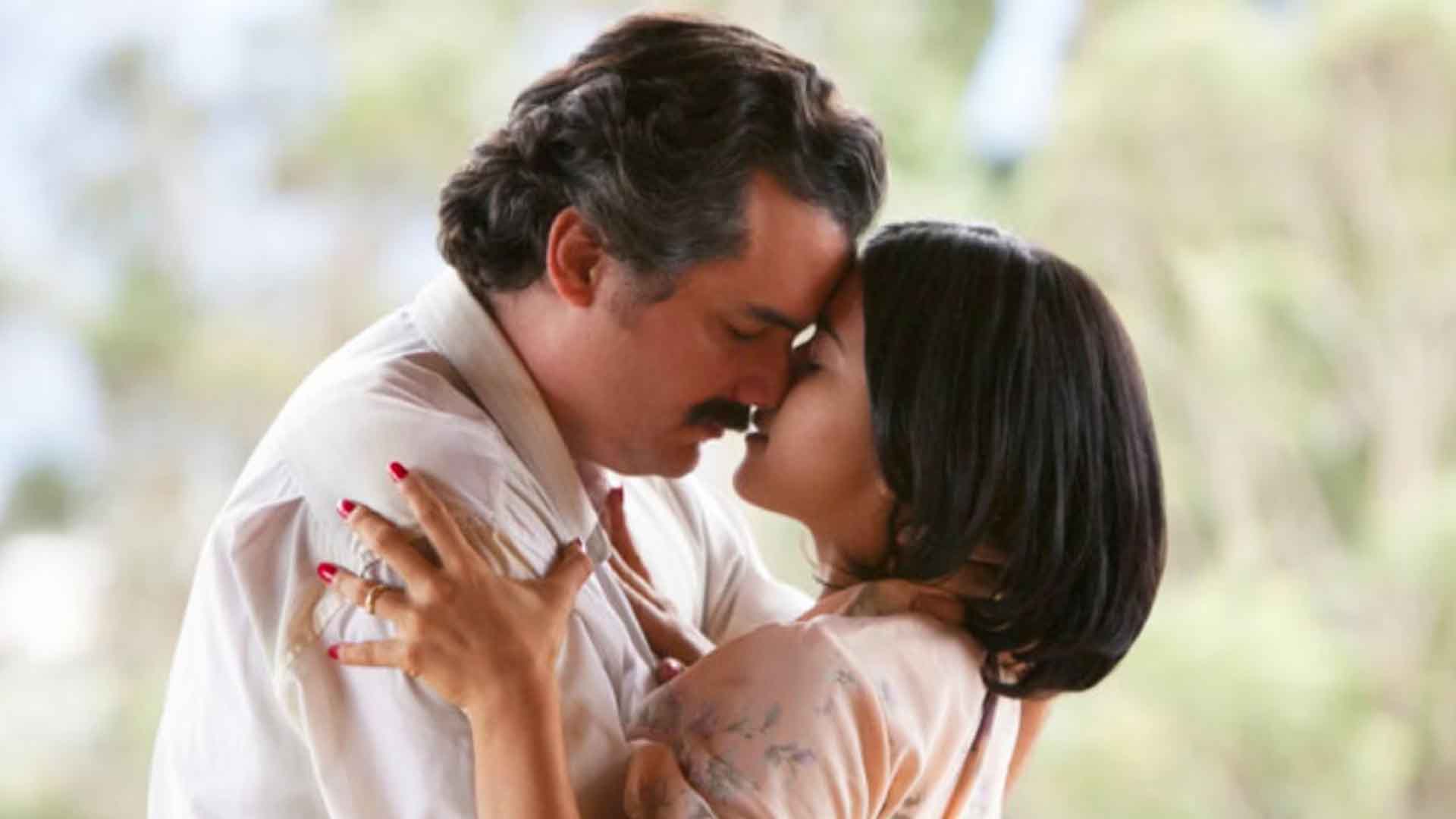
Maria Victoria Henao's relationship with Pablo Escobar began in the 1970s, culminating in their marriage in 1976. This union thrust her into a world defined by power, wealth, and danger. As Escobar rose to prominence within the drug trade, Henao became an integral part of the Escobar family legacy. Their marriage was marked by both affection and turmoil, as Henao navigated the complexities of being married to one of the most powerful figures in the narcotics world.
Challenges in Marriage
Being married to a drug lord came with manifold challenges. Henao contended with the constant threat of violence, both from rival cartels and law enforcement. The pressures of loyalty and safety weighed heavily on her, often placing her in precarious situations. Despite these challenges, Henao remained devoted to her family and endeavored to maintain a semblance of normalcy for their children.
The dynamics of their marriage were complicated by the public perception of Escobar. While he was revered by some for his philanthropic efforts in Colombia, he was equally vilified for his violent methods. This duality created a complex environment for Henao, forcing her to navigate her identity both as a wife and as a woman in a country grappling with the repercussions of the drug trade.
3. Parenting with Pablo Escobar
Parenting in a Criminal Environment
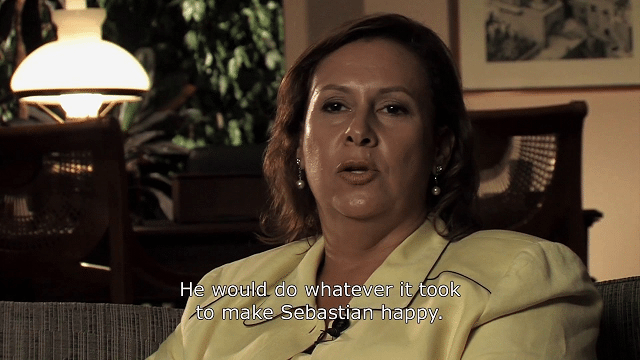
As a mother, Henao faced unique challenges while raising her children, Juan Pablo and Manuela. The chaotic environment created by Escobar's criminal activities profoundly affected their upbringing. Henao had to instill values of safety and discretion in her children while also providing them with love and support. The constant threat of violence and scrutiny meant that she had to be vigilant, ensuring her children remained shielded from the harsh realities of their father's life.
Henao's parenting style reflected her desire to create a stable home amid instability. She worked diligently to provide a sense of normalcy, often taking on the role of both mother and protector. This dual responsibility highlighted her strength and resilience in the face of adversity.
Public Perception and Media Scrutiny
The media portrayal of the Escobar family was often sensationalized, complicating Henao's role as a mother. Journalists and filmmakers sought to capture the essence of Escobar's life, frequently painting a picture that was more dramatic than true. Henao and her children found themselves under constant scrutiny, forcing them to navigate challenges both within their family and in the public eye.
Henao's struggle to balance her family's reputation with their need for privacy is a poignant aspect of her story. The media's relentless focus on the Escobar family contributed to the complexities of their lives, impacting their relationships and personal identities.
4. Life After Escobar
Relocation to Argentina
Following Pablo Escobar's death in 1993, Maria Victoria Henao relocated to Argentina with her children. This move represented not just a geographical shift but also a significant change in her life’s trajectory. In Argentina, Henao faced the daunting task of rebuilding her life while grappling with the legacy left behind by her husband. The transition was fraught with challenges as she sought to create a new identity separate from Escobar's shadow.
Rebuilding Her Identity
Rebuilding her identity post-Escobar was a complex process. Henao engaged in various legal battles, including issues related to her husband's estate and ongoing investigations into his drug empire. These legal challenges often brought her back into the public eye, complicating her efforts to distance herself from her past. Despite these obstacles, Henao endeavored to redefine her life, striving to carve out a space for herself and her children away from the notoriety associated with Escobar.
Henao's journey of rebuilding her identity highlights her resilience and determination. She worked to create a life that reflected her values and aspirations, independent of the notorious legacy of her husband.
5. Current Public Perception
Legacy and Media Representation
Today, Maria Victoria Henao remains a figure of intrigue and controversy. Her life has been the subject of numerous documentaries, films, and articles, each attempting to dissect her story within the broader context of the Escobar legacy. The portrayal of Henao often oscillates between victim and accomplice, reflecting the complexities of her relationship with her husband and her role in Colombian history.
Navigating a Complicated Legacy
As she navigates her complicated legacy, Henao continues to face challenges related to her public image. The enduring fascination with Escobar's life and the drug trade means that Henao's past is never far from the spotlight. This ongoing scrutiny affects her personal life and her ability to engage with society on her own terms.
Henao's struggle to reconcile her past with her present highlights the broader societal issues of identity and legacy in Colombia. Her journey reflects the challenges faced by many who have been touched by the violence and chaos of the drug trade, underscoring the complexities of moving forward while grappling with a burdensome history.
Conclusion
Maria Victoria Henao's life is a compelling narrative marked by personal struggle, resilience, and the complexities of navigating life in the shadow of Pablo Escobar. From her early life in Colombia to her marriage and motherhood, and ultimately her efforts to rebuild her identity after Escobar's death, Henao's story is a testament to the enduring impact of the past on the present.

As society continues to grapple with the legacy of the drug trade, understanding Henao's life provides valuable insights into the human experiences behind headlines and historical events. Her journey reflects broader themes of survival and identity amid adversity, reminding us of the intricate tapestry of Colombian history and culture. Ultimately, Maria Victoria Henao stands as a significant figure in this narrative, embodying the complexities of both love and loss in a world shaped by chaos.
